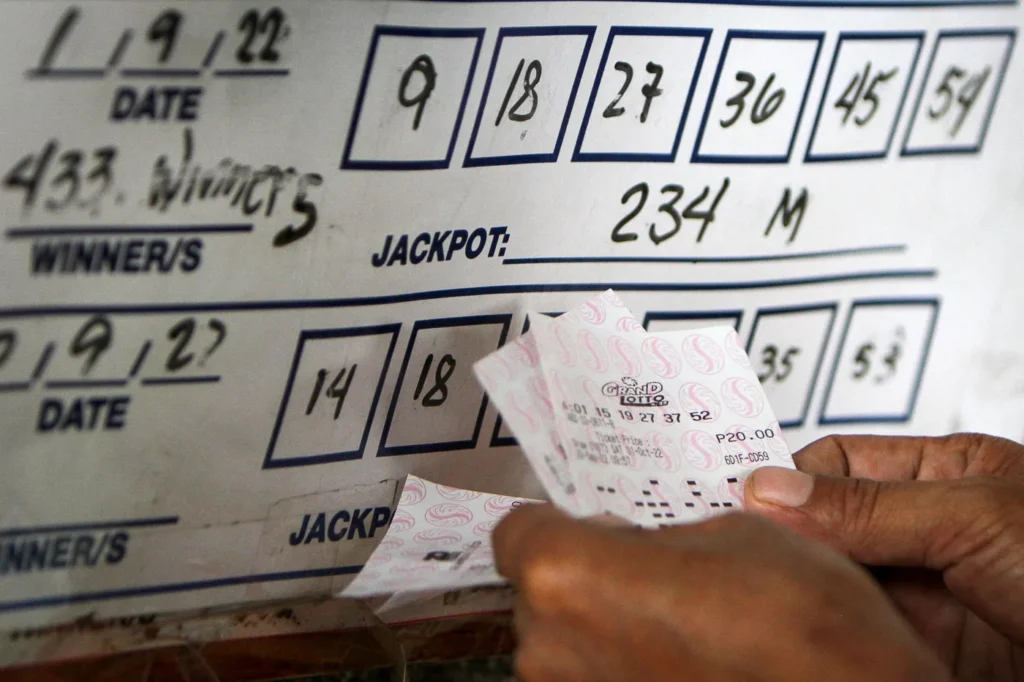

Gambling regulations in Thailand have long been recognized as some of the strictest in Asia. With most forms of gambling illegal under Thai law, except for the national lottery and horse racing, the majority of gambling activity has been confined to underground or online platforms. However, recent discussions among policymakers and business leaders have raised questions about whether Thai gambling laws might see reforms in the near future. Could things be changing for local players?

Current Landscape of Gambling Regulations in Thailand
Under the Gambling Act of 1935, betting and gambling are strictly prohibited, with only limited exceptions. Violators face steep fines and jail sentences, making Thailand one of the least gambling-friendly countries in the region. Despite these laws, the popularity of online gambling continues to grow, fueled by easy access to international platforms. The legal status of gambling often intersects with cultural and religious values, which also play a significant role in the country’s firm stance on the matter.
Growing Debates About Regulation Among Thai Officials
In recent years, some policymakers have proposed examining the potential benefits of legalizing certain forms of gambling in Thailand. These discussions have often focused on economic incentives, such as potential tax revenue and tourism boosts. Advocates for reform suggest that regulated gambling industries could help curb underground markets, reduce crime, and provide oversight to ensure safer gambling environments. Still, opposition remains strong, particularly from those who cite moral concerns and possible societal impacts.
Regional Comparisons: Lessons From Neighboring Countries
Thai gambling laws stand in stark contrast to policies in neighboring countries, such as Cambodia and Malaysia, where regulated gambling industries exist in certain forms, providing controlled environments for players. Advocates for reform often look to these countries as examples of managing gambling through transparent regulation. However, efforts to adapt similar models will need careful consideration of Thailand’s unique cultural landscape and longstanding resistance to legalization.
Online Gambling Provides Alternative Entertainment
While discussions about reform continue, online gambling platforms have become increasingly popular among Thai players. These platforms, hosted internationally, offer games such as poker, roulette, and other casino staples in a virtual setting. The rise of digital technology has made gambling more accessible, but it’s worth noting that these platforms exist in legal gray areas under Thai law and players must proceed carefully when engaging with them.
What the Future Holds for Thai Gambling Laws
While it’s too early to determine whether Thai gambling laws will see significant changes, the growing debates signal a gradual shift in public and political interest. Any reforms will require careful balance between economic opportunities, cultural values, and responsible gaming concerns. For now, players should keep an eye on discussions to better understand how the future may unfold.